


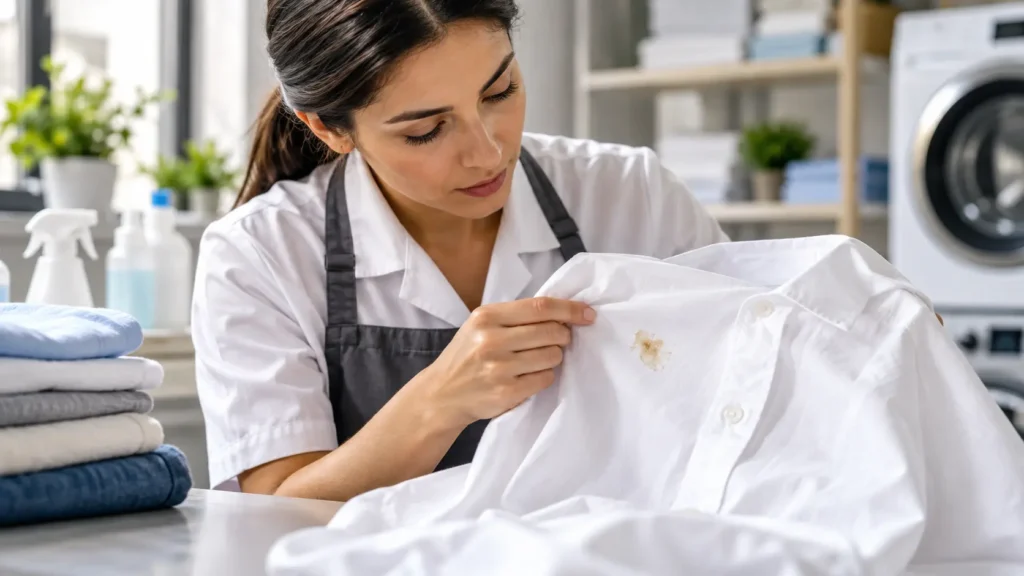
Your clothes can look worn out long before they reach the end of their useful life. A favourite shirt loses its colour, a sweater shrinks, or a stubborn stain refuses to come out. Often, the problem isn't the clothing itself. It's the way it's being washed, dried, or treated.
A few everyday laundry habits can gradually weaken fabric, dull colours, and ruin the shape of your clothes. The good news is that most of these problems are avoidable with the right washing techniques, suitable stain treatments, and a little extra care.
1. Rubbing Stains Too Aggressively
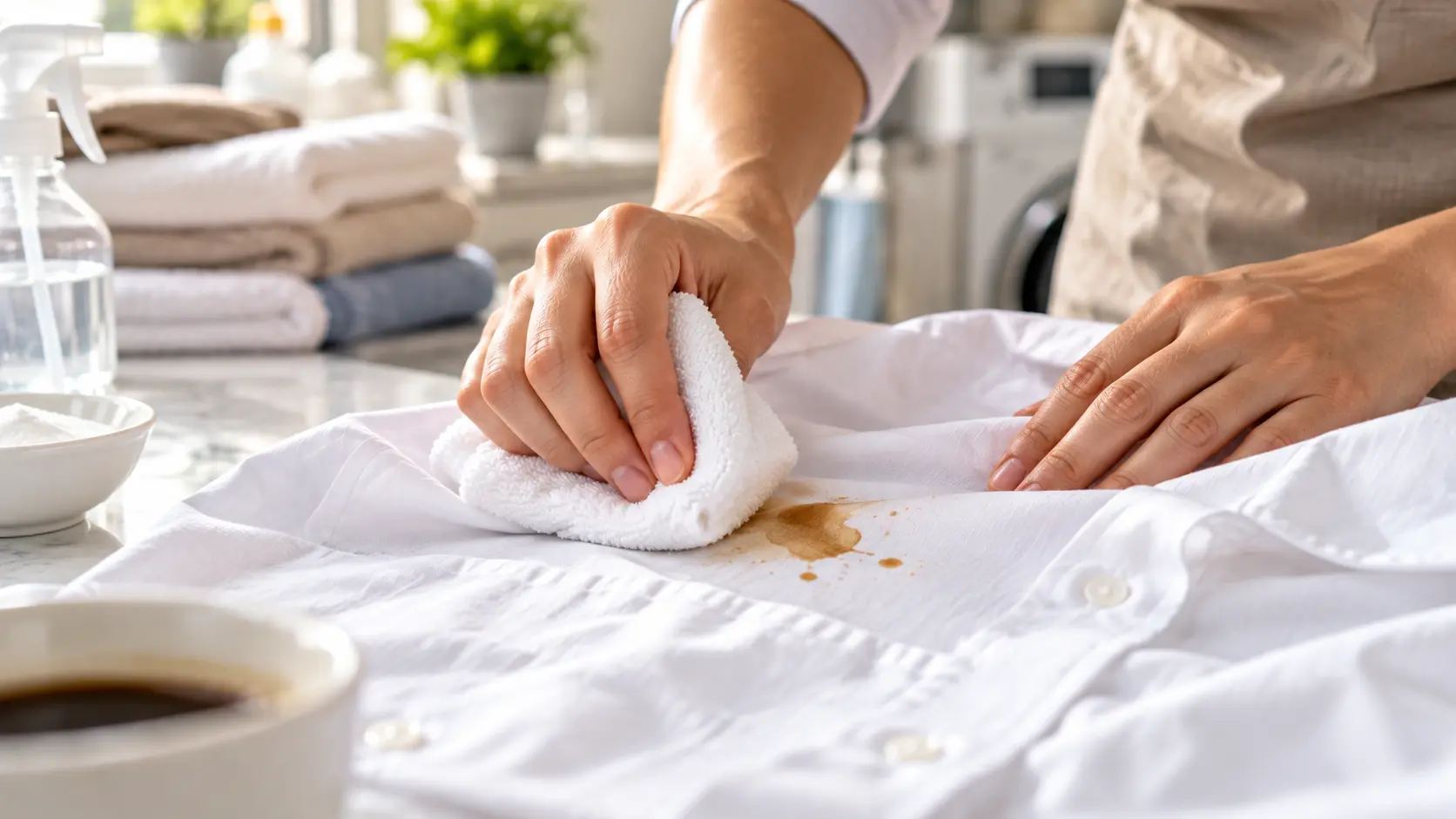
When something spills on your clothes, rubbing the stain immediately might seem like the obvious solution. However, vigorous scrubbing can push the stain deeper into the fabric, spread it across a larger area, and damage delicate fibres.
This is particularly problematic with silk, wool, knitted garments, and fabrics with textured finishes.
What to do instead:
- Blot fresh spills gently with a clean, absorbent cloth.
- Work from the outside of the stain towards the centre to limit spreading.
- Remove excess food or other residue carefully before applying a cleaning product.
- Avoid scrubbing delicate fabrics with brushes or rough cloths.
For dried stains, resist the temptation to scrape aggressively. The safest treatment depends on the stain, the fabric, and any previous cleaning attempts.
2. Using the Wrong Stain Remover
Not every stain responds to the same cleaning product. Grease, ink, tea, blood, and makeup have different properties, and a treatment that works on one stain may be ineffective or unsuitable for another.
Using a strong stain remover without checking the garment's care instructions can also cause colour loss or damage sensitive fibres.
Before treating a stain, identify the likely cause and check whether the product is suitable for the material. Test it on a discreet area when appropriate, and follow the manufacturer's instructions.
For example, a grease mark on a cotton T-shirt may respond to a suitable pre-treatment, while an ink stain on a delicate blouse may require a different approach.
If a stain is particularly stubborn or the garment is valuable, professional laundry services can assess the fabric and recommend an appropriate cleaning method. No treatment guarantees complete stain removal, especially when a mark has already been set by heat or previous cleaning.
3. Washing Everything in Hot Water
Hot water is not automatically better for cleaning clothes. Depending on the fabric and stain, excessive heat can cause shrinkage, affect dyes, damage elastic fibres, or make certain stains more difficult to remove.
Blood and egg stains, for instance, should generally be treated with cool water first because heat can cause their proteins to set into the fabric.
Always check the care label before choosing a wash temperature. Cotton, wool, silk, and synthetic fabrics can have very different requirements, even when they look similar.
A simple rule: Choose the washing temperature based on the garment's care instructions, the type of stain, and the detergent being used.
4. Adding Too Much Detergent
More detergent does not necessarily mean cleaner clothes. Using excessive amounts can leave residue on garments, contribute to build up inside the washing machine, and make fabrics feel stiff.
Residue can become particularly noticeable when the machine is overloaded or the rinse cycle cannot remove the excess product effectively.
Measure detergent according to the product instructions, load size, soil level, and water conditions. If your clothes regularly feel coated or develop unpleasant odours, check the dosage and clean the washing machine according to its manufacturer's guidance.
Using the right amount can improve rinsing and help prevent unnecessary buildup over time.
5. Overloading the Washing Machine
Filling the washing machine to its limit may seem efficient, but crowded clothes cannot move freely through the wash. This can reduce cleaning effectiveness and make rinsing less thorough.
Heavy garments also rub against lighter fabrics, increasing the risk of wear, pilling, and stretching.
For better results, leave enough room for clothes to move according to your machine's loading guidelines. Wash bulky towels and bedding separately when necessary (or leave them to our home fabric care service), and keep delicate garments away from rough items such as heavy denim or clothing with exposed zippers.
A properly loaded machine helps water and detergent circulate more effectively while reducing unnecessary friction.
6. Mixing Colours Without Sorting
A single wash can leave pale clothes looking dull if dyes transfer from darker garments. New clothing, particularly brightly coloured or dark items, may release excess dye during washing.
Separate whites, light colours, and dark garments. Consider washing new coloured items separately at first, following their care labels.
Colour sorting alone is not enough, though. Fabric weight matters too. A lightweight blouse can suffer unnecessary friction when washed with heavy jeans, even if both garments are dark.
Taking a few minutes to sort the load can help preserve the appearance of your clothes and reduce avoidable wear.

7. Ignoring Clothing Care Labels
Care labels are easy to overlook, especially when you're in a hurry. Yet they provide important instructions about washing, drying, bleaching, ironing, and professional cleaning.
A garment may look durable while containing delicate fibres, decorative details, or finishes that cannot tolerate an ordinary wash cycle.
Before washing unfamiliar clothing, check whether it requires a gentle cycle, hand washing, low-temperature drying, or professional care.
Pay particular attention to structured jackets, embellished outfits, delicate occasion wear, and wool or silk garments. If a label specifies professional cleaning, do not assume a home wash will produce the same result. Professional dry cleaning is designed for exactly these garments.
8. Using Bleach Without Checking the Fabric
Bleach can help with certain laundry problems, but using the wrong product can leave permanent marks or weaken fibres.
Chlorine bleach is unsuitable for many coloured and delicate garments. Even products designed for stain removal need to be checked for fabric compatibility.
Read the garment's care label and the product instructions before applying any bleaching agent. Never mix chlorine bleach with ammonia, vinegar, or other acidic cleaners, as this can release dangerous gases (see this Health Canada safety advisory).
For coloured clothing, a suitable colour-safe treatment may be more appropriate. When you're uncertain, avoid experimenting on a garment you cannot afford to damage.
9. Leaving Wet Clothes in the Machine
Clean clothes can develop a musty smell when left damp in a closed washing machine for too long. Moisture and limited airflow create conditions that allow odour-causing microorganisms to grow.
This can be especially frustrating when you have already completed a full wash cycle.
Remove clothes promptly after washing and dry them in a well-ventilated area. Spread garments out rather than piling them together, and make sure thick seams, pockets, cuffs, and waistbands dry completely.
If your laundry repeatedly smells unpleasant, check both your drying routine and the washing machine itself. Simply adding more detergent or fabric fragrance may not solve the underlying problem.
10. Drying Clothes With Excessive Heat
High dryer temperatures can shrink certain fabrics, weaken elastic, affect printed designs, and damage garments that need gentle handling.
Before using a tumble dryer, check whether the garment is suitable for machine drying. Choose the recommended setting rather than automatically selecting the hottest option.
Some garments are better air-dried, while others need to be laid flat to maintain their shape. Heavy knitwear, for example, may stretch if it is hung while wet.
Direct sunlight can also fade some coloured fabrics over time. When appropriate, dry delicate or dark clothing in a shaded, well-ventilated space.
11. Ironing Clothes Before Removing Stains
A garment may appear clean after washing but still have a faint mark that becomes more obvious when it dries. Ironing over that stain can make removal more difficult because heat may set certain residues into the fibres.
Before ironing, inspect collars, cuffs, underarms, and areas where food or drinks may have spilled.
If a mark remains, follow a suitable treatment method and check the garment again before applying heat. Avoid repeatedly ironing or drying the same stained area in the hope that the mark will disappear.
When a stain does not respond to a suitable home treatment, consider getting professional advice before trying stronger chemicals.
12. Putting Away Clothes Before They Are Completely Dry
Even slightly damp clothing can develop unpleasant odours when folded and stored without enough airflow. Prolonged moisture can also encourage mould growth under suitable conditions.
This is an easy mistake to make during rainy weather or when indoor drying space is limited.
Make sure garments are completely dry before putting them away. Leave enough space between hanging clothes for air circulation, and avoid storing seasonal clothing until it has been cleaned and dried properly.
Woollens, delicate garments, and special occasion outfits may also need particular storage conditions to maintain their shape and condition.
How Can You Make Your Clothes Last Longer?
Protecting your wardrobe does not require complicated equipment or expensive products. Consistent habits can make a real difference to how your clothes look and feel over time.
Before washing
- Empty pockets and close zippers.
- Read care labels and separate suitable loads.
- Treat stains promptly with a fabric-compatible product.
- Turn garments inside out when recommended.
During washing
- Use the correct amount of detergent.
- Select an appropriate cycle and temperature.
- Avoid overloading the machine.
- Keep delicate items away from abrasive garments.
After washing
- Remove clothes promptly.
- Check for remaining stains before applying heat.
- Dry each garment according to its care instructions.
- Keep the washing machine clean and ventilated.
These simple steps help reduce friction, residue, colour transfer, and unnecessary heat exposure. They also make it easier to spot a problem before it becomes permanent.
When Should You Choose a Professional Laundry Service?
Home washing works well for many everyday garments, but some items need more careful attention. A professional laundry service may be worth considering when you have a difficult stain, a delicate fabric, or a garment with specific cleaning requirements.
Professional assistance can be useful for:
- Persistent ink, grease, or makeup stains.
- Delicate garments with embroidery or embellishments (see our tailoring and embroidery care).
- Clothing labelled for professional cleaning.
- Expensive outfits that could be damaged by an unsuitable home treatment.
- Garments with persistent odours despite appropriate washing.
When handing over a stained garment, explain what caused the mark, how long it has been there, and which products you have already tried. This information can help the cleaner choose an appropriate treatment.
Professional cleaning cannot guarantee that every stain will disappear. Results depend on the stain, the fabric, its age, and previous attempts to remove it. However, a careful assessment can help you avoid further damage from unsuitable products or repeated washing.
You can check our pricing and full services list, or find a dry cleaner near you in Srinagar.
Next Steps: Give Your Clothes the Care They Need
Before the next washing, make sure that you have checked the garment care labels, sorted your laundry, and looked at those items which may need special treatment. It would be better to solve the issue initially rather than trying to fix it afterwards.
In case your favorite garment needs some special treatment due to some difficult stain, it is better to contact a professional laundry service first.
Dr. Good Day Luxcare Studio offers laundry and dry cleaning in Srinagar with doorstep pickup and delivery.
Book a Pickup WhatsApp UsQuestions? Contact us, learn about us, or read more garment-care tips on our blog.
Frequently Asked Questions
Why do clothes get damaged after repeated washing?
Repeated washing exposes clothing to friction, water, detergent, and sometimes heat. Over time, unsuitable cycles, harsh treatments, and poor drying habits can cause fading, pilling, shrinkage, or weakened fibres.
What is the safest way to remove a stain from clothing?
Start by removing excess material and gently blotting the affected area. Check the care label, identify the stain if possible, and use a suitable treatment. Test the product on a discreet area when appropriate, and avoid heat until you have checked whether the stain has been removed.
Can too much detergent ruin clothes?
Excess detergent can leave residue on garments and contribute to buildup in the washing machine. Follow the recommended dosage and make sure the load size and rinse settings are appropriate.
Should delicate clothes be washed separately?
Often, yes. Separating delicate garments from heavy or abrasive items can reduce friction and help protect their shape and finish. Always follow the garment's care label.
When should I take stained clothes to a professional cleaner?
Consider professional help when the stain is stubborn, the fabric is delicate, the garment is valuable, or the care label specifies professional cleaning. Avoid repeated experiments with strong cleaning products if you're unsure how the material will react.