


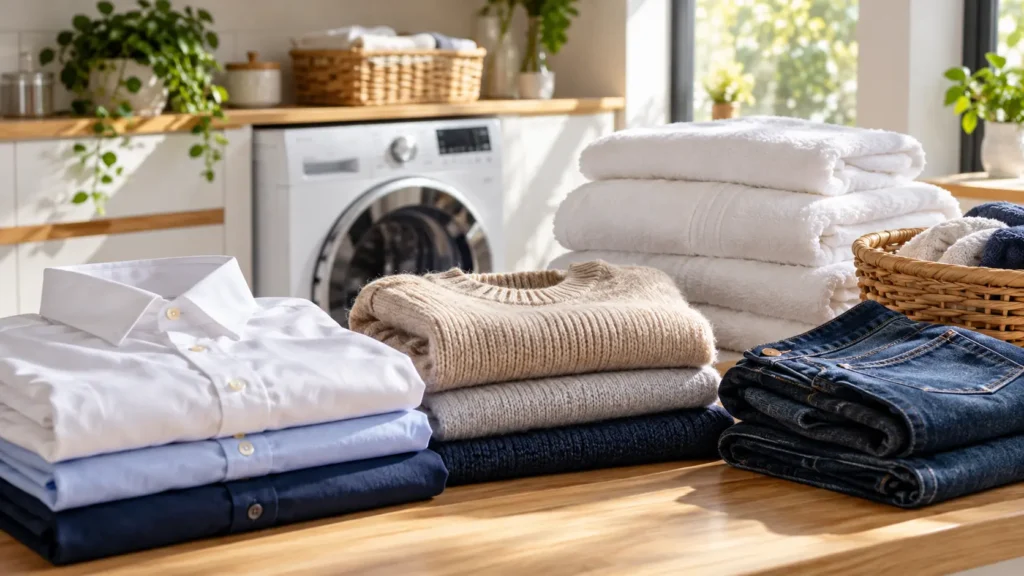
Have you ever pulled a favourite shirt out of the washing machine only to find it has shrunk, faded, or lost its shape? The problem might not be your detergent. It could be the water temperature you used.
Different fabrics react differently to heat. Cotton can shrink, dark jeans can lose their colour, and woollen sweaters can become misshapen if they are washed incorrectly. Choosing the right laundry temperature helps keep clothes in good condition, reduces unnecessary wear, and makes everyday washing easier.
Why Does Washing Machine Temperature Matter?
Water temperature affects how detergent works and how fabrics respond during washing. Hot water can help remove certain types of dirt and grease, but it can also damage delicate fibres, weaken elastic, and cause some colours to fade.
Cold water works well for many everyday loads, especially lightly soiled clothes and dark garments. Warm water is useful for other items, while hot water should be reserved for fabrics that can tolerate it.
Before starting your washing machine, consider three things:
- The fabric: Cotton, wool, silk, and polyester need different levels of care.
- How dirty the clothes are: A lightly worn shirt does not need the same treatment as a heavily soiled towel.
- The care label: Always check the manufacturer's instructions before choosing a temperature.
Getting these details right can save you from replacing clothes that could have lasted much longer.
What Is the Best Temperature for Different Fabrics?
The right temperature depends on the garment, but the following guide is a useful starting point.
| Fabric | General temperature guide | What to watch for |
|---|---|---|
| Cotton | 30°C to 40°C | Shrinkage and fading |
| Wool | Cold water or a wool-specific cycle | Felting and loss of shape |
| Silk | Cool water, if washable | Fibre damage and colour bleeding |
| Polyester | 30°C to 40°C | Damage to certain finishes |
| Denim | Cold water, around 20°C to 30°C | Fading and creasing |
| Linen | 30°C to 40°C | Shrinkage and wrinkles |
| Towels | Around 40°C, if permitted | Reduced absorbency |
| Bedsheets | 30°C to 60°C, depending on the fabric | Shrinkage and damage to finishes |
These are general guidelines, not fixed rules. Always follow the care label, particularly for blended fabrics and garments with special finishes.
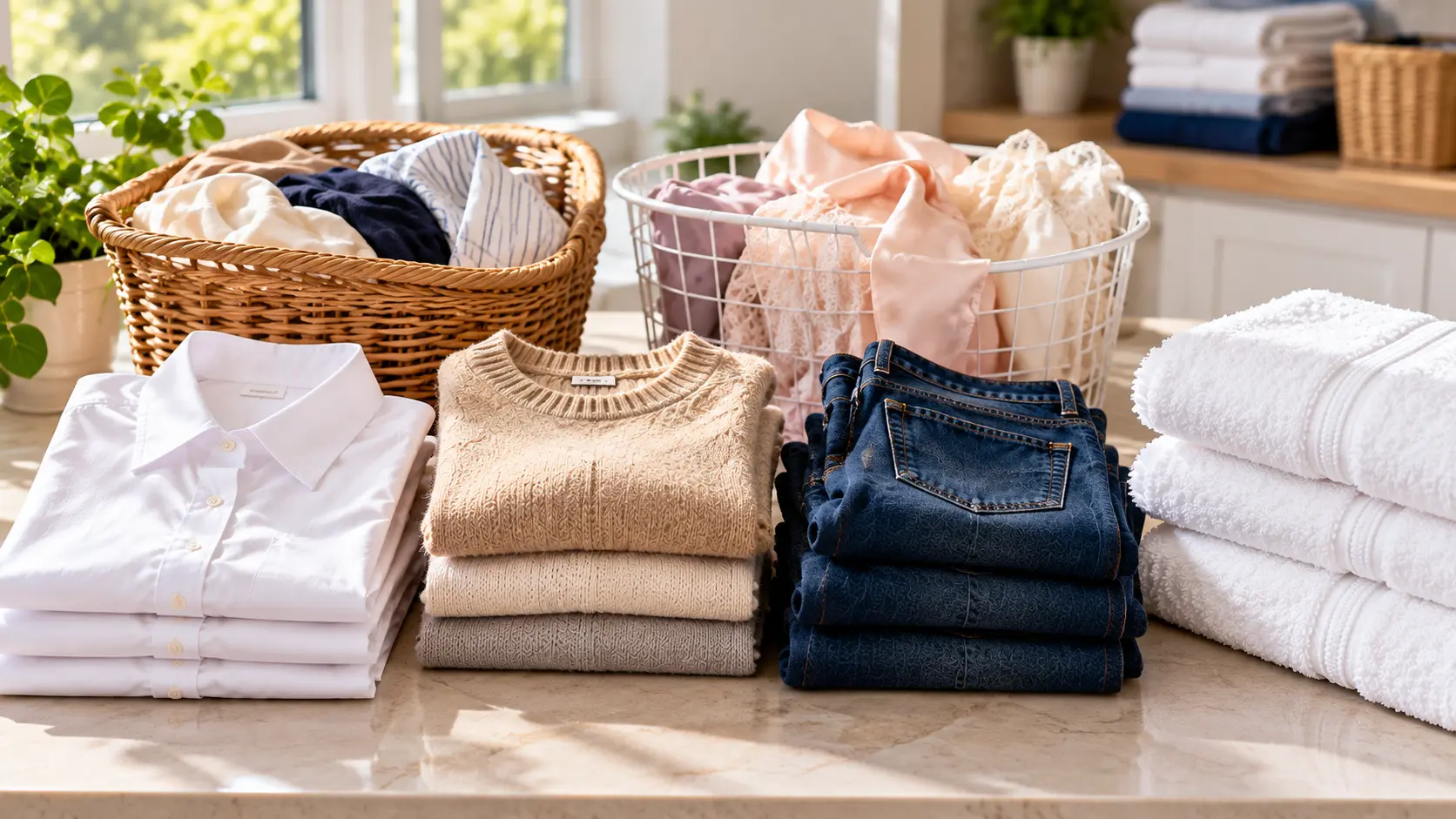
1. Cotton: Keep Your Everyday Clothes Looking Good
Cotton is one of the easiest fabrics to care for, but it is not completely resistant to heat. T-shirts, shirts, school uniforms, and cotton trousers can shrink or fade if they are washed and dried at unsuitable temperatures.
For most everyday cotton clothing, 30°C to 40°C is a reasonable starting point. Cold water is also suitable for many lightly soiled garments and coloured clothes.
A few simple habits can help:
- Separate white clothes from dark and brightly coloured garments.
- Turn printed T-shirts inside out before washing.
- Use the recommended amount of detergent.
- Avoid high dryer settings unless the care label allows them.
- Check the instructions before washing new cotton clothes.
If you wash school uniforms or work clothes frequently (or prefer to leave them to a laundry service), these small changes can help preserve their colour and shape.
2. Wool: Be Careful With Sweaters and Winter Clothes
Woollen sweaters feel comfortable in cold weather, but they need a little extra attention in the washing machine. Too much heat combined with rough agitation can cause the fibres to felt together. Once this happens, the garment may become smaller, thicker, or difficult to wear.
Use cold water or the temperature recommended on the care label. If the garment is machine washable, choose a wool or delicate cycle and use a suitable detergent. The Woolmark Company's guide to washing wool explains machine and hand washing in more detail.
Avoid twisting or wringing wet woollen clothes. Some items also need to dry flat to prevent stretching.
This is especially worth remembering when washing woollen pherans, scarves, and other winter garments. If a garment has delicate embroidery or its label recommends professional cleaning, do not risk putting it through an ordinary wash cycle. Our tailoring and embroidery care is designed for exactly these pieces.
3. Silk: Gentle Washing Makes a Difference
Silk blouses, scarves, dresses, and occasionwear can lose their finish when exposed to excessive heat or rough handling. Some silk garments can be washed at home, while others need professional care.
If the label permits washing, use cool water and a suitable gentle detergent. Avoid scrubbing stains or leaving the fabric soaking longer than recommended.
Here are a few mistakes to avoid:
- Washing silk with heavy items such as jeans and towels.
- Using hot water without checking the label.
- Applying strong stain removers without checking fabric compatibility.
- Wringing the garment to remove excess water.
- Ironing at an unsuitable temperature.
For an expensive silk outfit, it is usually better to check the care instructions first than to experiment with a cleaning method that might cause permanent damage.
4. Polyester and Sportswear: Do Not Turn Up the Heat
Polyester is used in everything from everyday shirts to jackets and gym clothes. Many polyester garments can be washed at 30°C to 40°C, depending on their care labels.
Sportswear can be a little more challenging. Sweat and body oils may leave an unpleasant smell even when the clothing looks clean. Raising the water temperature is not always the answer.
Instead, wash sweaty clothes promptly, use a suitable detergent, and avoid cramming too many items into the machine.
Be careful with fabric softener, too. It can affect the moisture-wicking performance of some sportswear, so check the manufacturer's instructions before using it.
If gym clothes still smell after washing, review your detergent and washing routine rather than automatically choosing a hotter cycle.
5. Denim: Stop Your Favourite Jeans From Fading Too Quickly
Dark jeans rarely stay exactly the same colour forever, but the way you wash them can affect how quickly they fade.
Hot water, repeated friction, and unsuitable cleaning products can contribute to colour loss. For many denim garments, cold water is a good choice when the care label permits it.
To keep your jeans in better condition:
- Turn them inside out before washing.
- Wash dark denim separately from light-coloured clothing.
- Use an appropriate amount of detergent.
- Avoid unnecessary tumble drying at high temperatures.
- Air-dry away from prolonged, strong direct sunlight.
You also do not need to wash jeans after every wear if they are still clean and do not smell. Wash them when they need it, taking into account how heavily you have worn them.
6. Linen: Keep Shirts and Summer Clothes in Shape
Linen is a popular choice for warm weather because it feels light and breathable. The downside is that it wrinkles easily, and some linen garments can shrink if they are washed or dried incorrectly.
Many washable linen items can be cleaned at 30°C to 40°C, but always check the label.
Avoid overloading the machine, remove clothes promptly after washing, and follow the recommended ironing instructions. If the garment has a lining, decorative stitching, or a special finish, it may need more careful treatment than ordinary linen clothing.
7. Towels and Bedsheets: Is Hot Water Always Better?
Towels and bedsheets collect sweat, body oils, and everyday dirt. They need regular washing, but using the hottest setting every time is not necessary.
For many cotton towels and bedsheets, 40°C is a sensible starting point. Some items can be washed at 60°C when the care label allows it and the cleaning or hygiene requirements call for it. For bulky bedding, our home fabric care service can help.
To keep towels and bedding fresh:
- Wash towels separately from delicate clothing when appropriate.
- Measure detergent instead of guessing.
- Avoid excessive fabric softener, which can reduce towel absorbency.
- Dry everything thoroughly before folding and storing it.
- Follow appropriate hygiene guidance when someone in the household is ill.
If your towels feel stiff, using more fabric softener is not always the solution. Detergent residue, hard water, and drying conditions can also affect how they feel.
8. Does Fabric Softener Work Better With Warm Water?
Fabric softener can make suitable garments feel smoother and help reduce static. However, it is not necessary for every laundry load, and the water temperature alone does not determine how well it works.
The product instructions, amount used, fabric type, and washing machine settings all matter.
A few things to remember:
- Add fabric softener through the designated dispenser when instructed.
- Do not pour concentrated softener directly onto clothes.
- Avoid excessive amounts that can leave residue.
- Skip it on towels when absorbency matters.
- Check compatibility before using it on delicate fabrics or sportswear.
If your clothes come out feeling coated or your towels have become less absorbent, try reducing or skipping the softener. You may find that a suitable detergent and a proper rinse are all you need.
9. Cold, Warm, or Hot Water: Which Should You Use?
Choosing a washing temperature becomes much easier when you know what each setting is suited for.
Cold water
Around 20°C to 30°CA good option for many dark garments, coloured clothes, and lightly soiled everyday items. It can also reduce electricity use because less energy is needed to heat the water (see the US Department of Energy laundry tips).
Warm water
Around 30°C to 40°CSuitable for many everyday garments, including cotton shirts and some towels. Check the care label and the level of soiling before choosing the cycle.
Hot water
Around 50°C to 60°C or higherUseful for selected heat-tolerant fabrics and certain cleaning or hygiene needs. Use it only when the garment and product instructions permit it.
Remember that the washing cycle matters as well. A delicate cycle uses different handling from a heavy-duty cycle, so temperature is only one part of the decision.
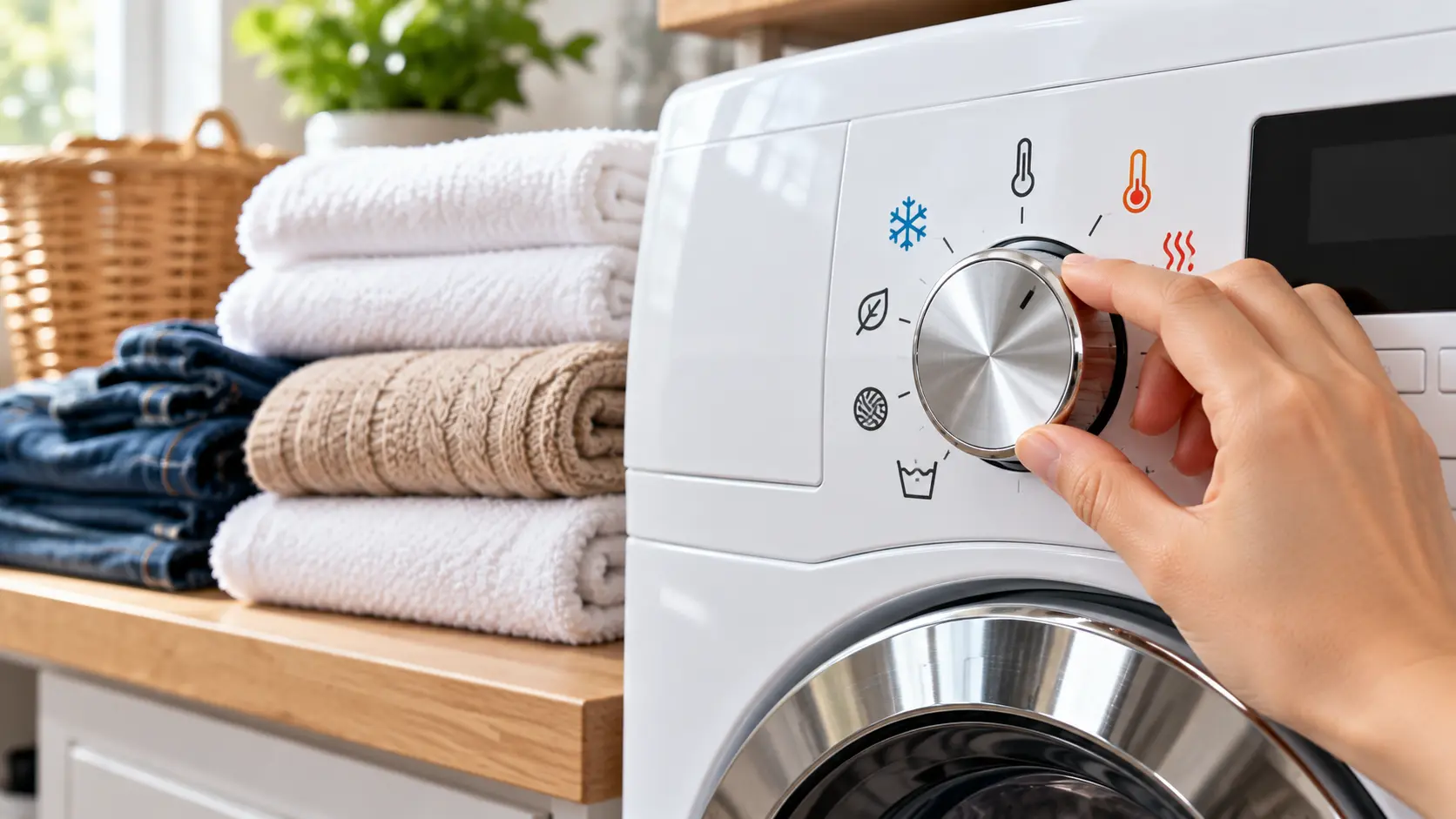
10. Common Laundry Temperature Mistakes to Avoid
Even when you choose the right temperature, a few bad habits can still damage your clothes.
- Washing everything together: Heavy jeans, delicate blouses, and towels do not always belong in the same load. Separate items according to fabric, colour, and care requirements.
- Using hot water for every stain: Heat can make certain stains harder to remove. Check the stain type and pretreat it with a suitable product before washing.
- Adding too much detergent: Extra detergent can leave residue on fabric. Follow the recommended dosage for your load and washing machine.
- Using fabric softener in every wash: Some fabrics benefit from it, while others do not. Use it only when appropriate.
- Ignoring the drying instructions: Clothes can shrink or lose their shape in the dryer even when they were washed correctly.
- Overloading the machine: Clothes need room to move so water and detergent can circulate properly.
The goal is not to make laundry complicated. It is to avoid a few common mistakes that shorten the life of your clothes.
When Should You Choose Professional Laundry Services?
Most everyday clothing can be washed at home with the right temperature and detergent. Some garments, however, need more attention.
Professional laundry services may be a better option for:
- Woollen garments that require specialist care.
- Delicate silk and expensive occasionwear.
- Structured blazers and lined clothing.
- Traditional garments with intricate embroidery.
- Stubborn stains that remain after suitable home treatment.
A professional cleaner can assess the fabric and recommend an appropriate cleaning method. This may involve specialised washing, dry cleaning, stain treatment, or careful finishing, depending on the garment. Not sure which one you need? Read the difference between laundry and dry cleaning.
Professional cleaning cannot guarantee that every stain will disappear. However, asking for advice before attempting a risky home treatment can help you avoid making the damage worse.
For local households, this can be particularly helpful when caring for expensive clothing, winter wear, and garments that are difficult to replace. You can check our pricing and full services list, or find a dry cleaner near you in Srinagar.
We offer doorstep pickup and delivery in HMT, Nowgam, Soura, Maloora, Humhama and Bemina.
Next Steps: Check Before You Wash
Before your next laundry load, take a moment to check the labels, separate your clothes, and choose a suitable temperature. Measure the detergent correctly and use fabric softener only when it suits the fabric.
If a garment is expensive, delicate, or difficult to clean, avoid experimenting with untested home remedies. A little extra care before washing is often easier than trying to repair damaged clothing afterwards.
Dr. Good Day Luxcare Studio offers laundry and dry cleaning in Srinagar with doorstep pickup and delivery.
Book a Pickup WhatsApp UsQuestions? Contact us, learn about us and our eco-friendly cleaning approach, or read more garment-care tips on our blog.
Frequently Asked Questions
What is the best temperature for everyday laundry?
For many everyday garments, 30°C to 40°C is a practical starting point. Cold water also works well for numerous lightly soiled items. Always follow the garment's care label.
Does cold-water washing save electricity?
Generally, yes. Cold-water washing usually requires less energy because the machine does not need to heat the water as much. Actual savings depend on the machine and the selected cycle. The US Department of Energy also recommends cooler water to cut laundry energy use.
Can hot water damage clothes?
Yes. Excessive heat can cause shrinkage, fading, and damage to certain fibres, finishes, and elastic components. Wool and delicate garments need particular care.
Should I use fabric softener in every wash?
No. Fabric softener is optional for many loads. It can reduce static and improve softness on suitable garments, but it may affect towel absorbency and some sportswear.
How should I wash delicate clothes at home?
Check the care label first. If washing at home is permitted, use the recommended temperature, a suitable detergent, and an appropriate gentle cycle. Follow the drying instructions as well.
When should I use professional laundry services?
Consider professional cleaning for garments labelled for specialist care, delicate silk or wool, structured blazers, intricate embroidery, and stains that resist suitable home treatment.