


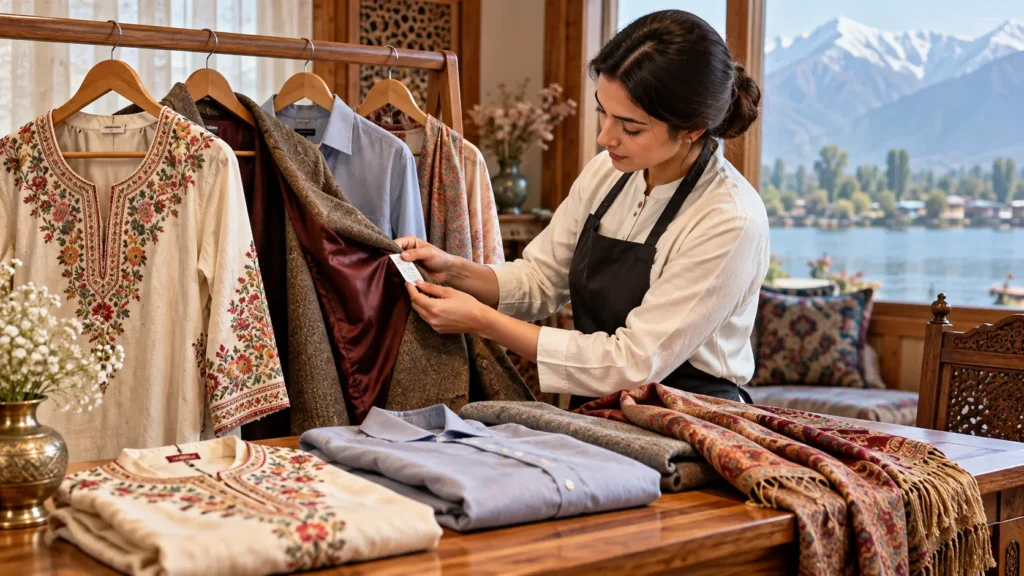
Mixed-fabric garments need a little more care than clothes made from a single material. A kurta with cotton panels and delicate embroidery, a wool coat with a polyester lining, or a dress combining silk and synthetic fibres can react differently to water, heat, and detergents. Choose the wrong cleaning method, and one part of the garment may shrink, fade, stretch, or lose its shape while the rest remains unaffected.
For people in Srinagar, where wardrobes often include woollens, pherans, embroidered traditional wear, and lightweight everyday clothing, cleaning mixed fabric clothes starts with understanding what each part of the garment can tolerate. The safest method is not always handwashing or dry cleaning. It depends on the fabric combination, the garment's construction, and its care label.
What Is the Best Way to Clean Mixed-Fabric Clothes?
The best way to clean mixed-fabric clothes is to follow the garment's care label and choose a method that protects its most delicate component. Washable cotton-polyester blends may tolerate gentle machine washing, while wool-lined coats, silk blends, embroidered garments, and structured outfits may require professional cleaning.
The key is to assess the whole garment rather than focus only on its main fabric.
For example, a cotton kurta might look suitable for handwashing, but metallic embroidery, a delicate lining, or colour-sensitive decorative panels could make washing risky. Likewise, a polyester lining does not automatically mean a wool coat can be machine-washed.
Why Do Mixed-Fabric Garments Need Special Care?
A mixed-fabric garment contains two or more materials, either blended into one textile or combined as separate components. These materials can respond differently to moisture, heat, friction, detergents, and drying.
Common examples include:
- Cotton and polyester: Often used in shirts, trousers, uniforms, and everyday clothing.
- Wool and synthetic fibres: Found in winter coats, jackets, sweaters, and warm clothing.
- Silk and viscose: Used in dresses, scarves, and lightweight traditional outfits.
- Cotton with embroidery: Common in kurtas, festive wear, and decorative garments.
- Wool with satin or polyester lining: Found in formal jackets, pherans, and winter outerwear.
The challenge is that each component may have different cleaning requirements.
Cotton can shrink under unsuitable washing conditions. Wool may felt or lose its shape when exposed to excessive heat and agitation. Some dyes can bleed, while delicate embroidery, glued decorations, and linings may become damaged if the garment is soaked or handled roughly.
For Srinagar households, this matters when caring for seasonal woollens, traditional Kashmiri clothing, office wear, and garments brought out for weddings or family occasions.
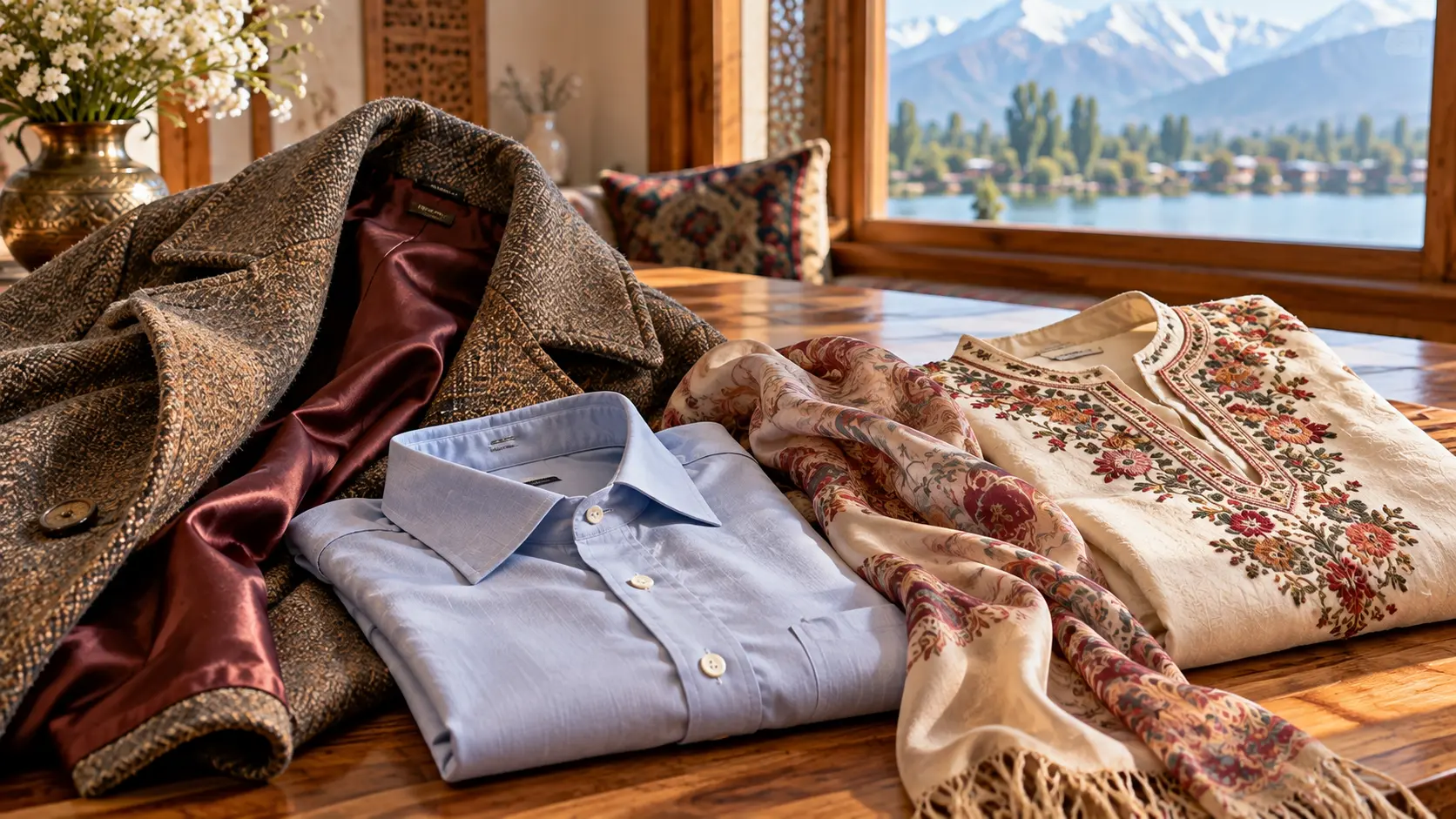
How to Choose the Right Cleaning Method for Mixed Fabrics
Before cleaning a garment, work through these steps. They help you avoid unnecessary washing and identify items that need specialist attention.
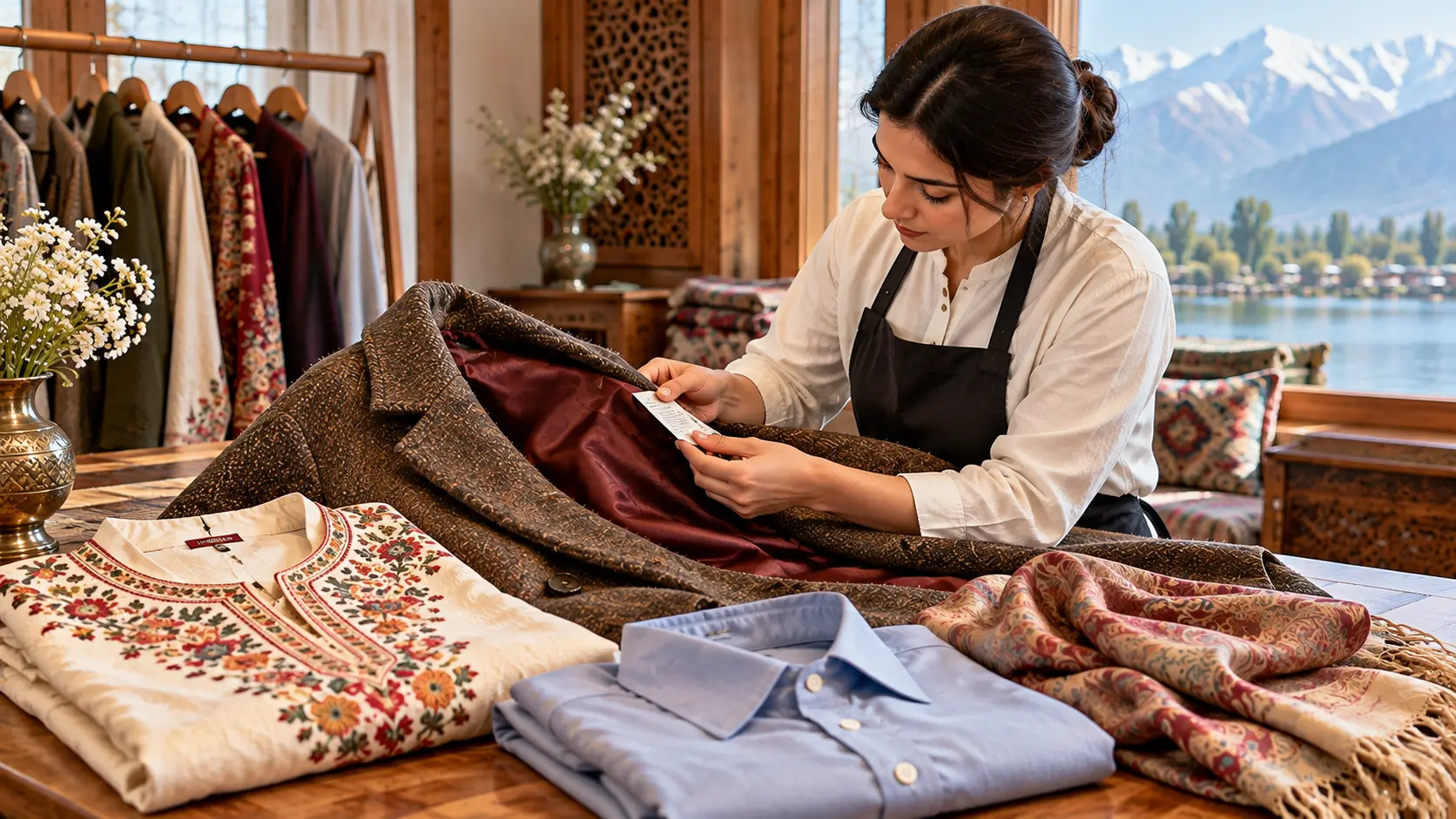
1. Read the care label first
Check the care label inside the garment, usually near a side seam, collar, or waistband. Look for instructions about washing temperature, handwashing, tumble drying, ironing, and professional cleaning.
Pay attention to wording such as:
- Machine wash: Use the specified temperature and cycle.
- Hand wash: Wash gently by hand if the label permits it.
- Do not wash: Avoid both machine washing and handwashing.
- Dry clean only: Take the garment to a professional cleaner.
- Dry flat: Place the garment on a flat surface rather than hanging it while wet.
- Do not tumble dry: Avoid machine drying.
Care symbols can be useful when the label contains little text. If you are unsure what a symbol means, check a reliable guide such as the Woolmark Company's washing instructions explained before proceeding.
If the label says dry clean only, do not assume handwashing is a safe alternative simply because the garment feels soft or lightweight.
2. Identify the most delicate component
Look beyond the fabric listed on the main label. Check the lining, decorative panels, stitching, buttons, beads, embroidery, and any glued or bonded details.
A garment with several components needs a cleaning method that is suitable for the complete construction. A method that cleans the outer fabric successfully may still damage the lining or decorative work.
Consider these examples:
| Garment | Potential concern | Suitable approach |
|---|---|---|
| Cotton-polyester shirt | Shrinkage, colour transfer | Follow the label, often a gentle machine wash |
| Wool coat with polyester lining | Shrinkage, distortion, lining damage | Professional cleaning if the label specifies it |
| Embroidered cotton kurta | Loose threads, colour bleeding | Label-approved gentle cleaning; professional care for delicate embellishment |
| Silk-blend dress | Water marks, texture changes | Follow the label, professional cleaning if required |
| Wool pheran with decorative work | Shape changes, damage to trims | Check the label and seek professional assessment when uncertain |
These are general guidelines, not guarantees. The garment's construction and care instructions take priority.
3. Check the stain before choosing a method
The type of stain can influence the cleaning approach. Food, mud, sweat, makeup, and oily marks do not all respond to the same treatment.
Start by identifying the stain if possible. Gently blot fresh spills with a clean, colourfast cloth instead of rubbing them deeper into the fibres.
Avoid applying a strong stain remover immediately. It may affect dyes, prints, embroidery, or delicate finishes. If the garment is labelled dry clean only, tell the cleaner what caused the stain rather than experimenting with household products.
4. Consider the garment's colour
Dark and brightly coloured fabrics may release dye, particularly when new or improperly cared for. A garment that combines contrasting colours can be especially vulnerable to colour transfer.
For instance, a cream kurta with deep burgundy panels may develop unwanted staining if its colours bleed during washing.
To reduce the risk:
- Keep similar colours together when washing suitable everyday clothes.
- Avoid soaking mixed-colour garments unless the care instructions permit it.
- Do not use bleach unless the label specifically allows the relevant type.
- Seek professional advice if a garment has contrasting colours or a history of dye bleeding.
5. Decide whether home cleaning is worth the risk
Home washing can be practical for everyday clothing with straightforward care instructions. However, a valuable garment, a complicated lining, or delicate decorative work may justify professional attention.
Ask yourself three questions:
- Does the care label explicitly allow washing?
- Can all the garment's components tolerate the same washing and drying process?
- Would damage to the colour, shape, or decoration be difficult or expensive to repair?
If you cannot confidently answer these questions, avoid experimenting. A professional cleaner can assess the garment and recommend an appropriate process.
Which Cleaning Method Should You Use?
The following comparison can help you choose between machine washing, handwashing, spot cleaning, and professional dry cleaning.
Machine washing
Suitable for garments whose labels explicitly permit machine washing. Use the recommended temperature and cycle, and avoid overloading the drum. A gentle cycle is appropriate only when the garment's instructions allow it.
Handwashing
Useful for certain washable delicate garments. Use the label-approved water temperature and gentle handling. Do not wring or twist the garment, and do not assume handwashing is safe for silk blends, wool, or embellished clothing without checking the instructions.
Spot cleaning
Can help with small, localised marks when the fabric and care label permit it. Test any suitable product on a hidden area first. Stop if the colour transfers, the fabric changes texture, or a water mark appears.
Professional dry cleaning
Consider this for garments labelled dry clean only, structured outerwear, delicate embellishments, and pieces with complicated linings. Tell the cleaner about visible stains, previous cleaning attempts, and any loose decorations.
Remember, dry cleaning is not automatically suitable for every mixed-fabric garment. Certain finishes, trims, adhesives, or materials may require a modified process or specialist treatment. The care label and a garment-specific assessment should guide the decision. Read more on the difference between laundry and dry cleaning.
Common Mistakes to Avoid When Cleaning Mixed-Fabric Clothes
Even when you choose the right cleaning method, small mistakes during washing and drying can affect the garment's appearance.
Using hot water without checking the label
Hot water can contribute to shrinkage, colour loss, or damage to sensitive components. Choose the temperature specified on the label instead of assuming that a hotter wash will clean better.
Applying stain remover directly to embroidery
Some stain removers may affect thread colours, decorative finishes, or delicate fibres. Check product compatibility and test only where permitted. For valuable embroidered garments, professional treatment is the safer option. See our tailoring and embroidery page for related services.
Wringing or twisting wet clothing
Twisting a garment can stretch fibres, distort seams, and alter its shape. If handwashing is permitted, press out excess water gently without twisting the fabric.
Drying delicate garments in direct heat
Radiators, heaters, and harsh direct sunlight can affect colour and shape. Follow the label's drying instructions, including whether the garment should be laid flat or hung.
Ironing every part at the same temperature
A cotton panel and a synthetic lining may not tolerate the same heat. Check the ironing symbol and use a pressing cloth or lower setting only where permitted. Keep the iron away from delicate embroidery unless the care instructions allow it.
Assuming every mixed-fabric garment can be dry cleaned
Professional cleaning is not a universal solution. Some trims, coatings, adhesives, and decorative materials can react poorly to particular cleaning processes. Explain the garment's construction to your cleaner and follow the recommended care instructions.
How Should Srinagar Residents Care for Mixed-Fabric Winter Clothing?
Winter clothing often needs extra attention because garments may combine warm outer fabrics, smooth linings, decorative embroidery, and synthetic insulation. In Srinagar, where woollens and traditional garments form part of many seasonal wardrobes, careful cleaning can help preserve their appearance.
Here are practical ways to look after them.
Before winter storage
- Clean garments according to their care labels before putting them away for an extended period.
- Check cuffs, collars, and underarms for dirt or stains that may become harder to remove later.
- Make sure clothing is completely dry before storing it.
- Keep delicate garments in a clean, dry storage space with enough room to avoid crushing.
When taking clothes out for winter
- Inspect garments for musty odours, stains, loose threads, and changes in shape.
- Air out washable or cleanable garments according to their care requirements.
- Avoid using a hot iron or direct heat to remove creases from delicate woollens.
- Have difficult stains assessed before attempting home remedies.
For pherans, wool coats, and embroidered garments
Do not judge the cleaning method by the outer fabric alone. A wool garment with delicate lining or decorative work may need a different process from a plain wool sweater.
If the care label is missing or unclear, consult a professional cleaner before washing. This is particularly sensible for expensive, sentimental, or heavily embroidered pieces. Our pheran winter checklist has more seasonal tips.
When Should You Take Mixed-Fabric Clothes to a Professional Cleaner?
Professional cleaning is worth considering when the garment's construction makes home washing risky or when a stain needs specialist treatment.
Look for these warning signs:
- The label says dry clean only.
- The garment contains delicate embroidery, beads, sequins, or bonded decorations.
- It has a structured shape, shoulder padding, or a complicated lining.
- Different coloured panels may bleed into one another.
- Previous washing has caused shrinkage, fading, or distortion.
- The fabric composition is unclear, and the garment is valuable.
- A stain remains after an approved cleaning attempt.
When handing over the garment, explain what happened and point out the affected area. Tell the cleaner whether you have already used water, detergent, stain remover, or an iron on the stain.
This information helps the cleaner assess the garment and choose a suitable treatment rather than treating every item in the same way.
For local customers in Srinagar, choosing a cleaner experienced with woollens, traditional clothing, and delicate mixed-fabric garments can be particularly helpful during seasonal wardrobe changes. Our dry cleaning service and laundry service in Srinagar are options to consider.
Next Steps: Check Before You Clean
Before washing your next mixed-fabric garment, take a minute to inspect its care label, lining, decorative details, and stains. If the instructions permit home washing, follow them carefully. If the garment is valuable, structured, or difficult to identify, seek professional advice first.
A little preparation can help your favourite clothes retain their colour, fit, and finish for longer, especially when seasonal garments come out of storage.
Dr. Good Day Luxcare Studio offers laundry and dry cleaning in Srinagar with doorstep pickup and delivery.
Book a Pickup WhatsApp UsQuestions? Contact us or see our full services list.
Frequently Asked Questions
1. Can I machine-wash mixed-fabric clothes?
Yes, some mixed-fabric garments can be machine-washed if their care labels permit it. Choose the recommended temperature, cycle, and drying method. Avoid machine washing garments labelled dry clean only or those with components that may be damaged by water or agitation.
2. Is handwashing safer than machine washing for mixed fabrics?
Not always. Handwashing can reduce mechanical agitation, but water may still cause shrinkage, colour bleeding, water marks, or damage to linings and decorations. Follow the care label rather than assuming handwashing is the safest option.
3. How do I clean a cotton-polyester blend?
Check the garment's care label first. If machine washing is permitted, use the specified temperature and cycle with a suitable detergent. Avoid excessive heat during drying and ironing, particularly if the garment contains additional delicate components.
4. Can mixed-fabric woollen clothes be dry cleaned?
Some woollen garments can be professionally dry cleaned, but suitability depends on the lining, trims, dyes, and manufacturer's instructions. Check the care label and tell the cleaner about any embroidery or decorative details before treatment.
5. Where can I get mixed-fabric clothes cleaned in Srinagar?
Look for a professional laundry or dry cleaner with experience handling delicate fabrics, woollens, traditional Kashmiri clothing, and embellished garments. Explain the fabric combination and show the care label before handing over the item. Ask about the recommended cleaning method for that specific garment.